


Introduction
I remember standing beside a line of welding booths one hot afternoon, watching sparks fly and thinking, wah, this place sure got power. In automotive manufacturing welding fume extraction comes up all the time — but people still treat it like an afterthought. Recent studies show weld shops can have PM2.5 levels several times higher than outdoor air; that’s not small potatoes. So I ask: how come the systems we trust still let harmful smoke and metal particulates hang around the cabin and shop? (Alamak — funny how that works, right?)
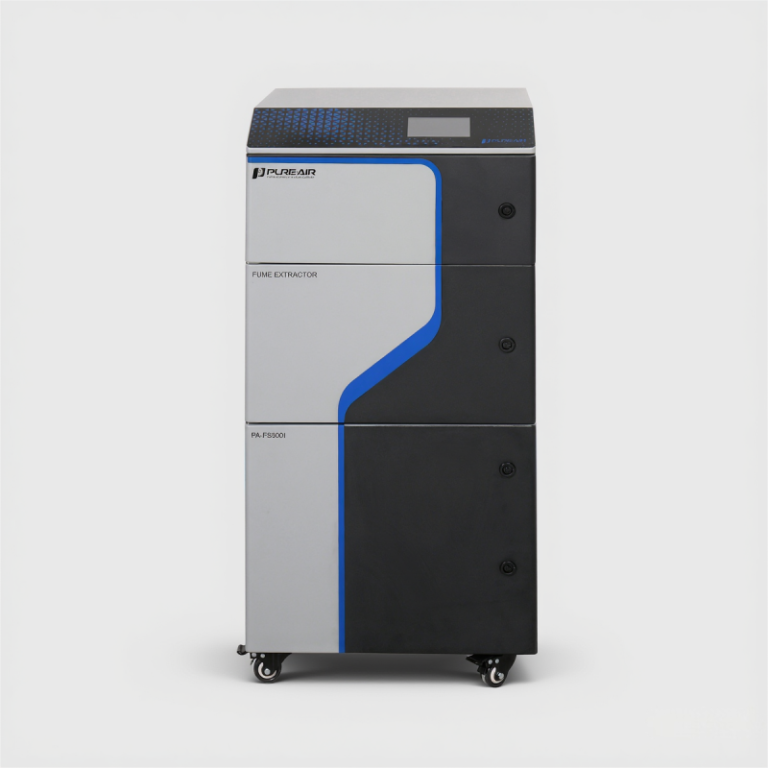
Let me share plainly. I’ve worked with engineers who rolled their eyes at dust collection budgets, and operators who learned to cough less out of habit than design. Those small choices add up to downtime, worker fatigue, and compliance headaches. Now we go deeper—next I’ll explain where the old fixes fail, and why that matters to you on the shop floor.
Peeling Back the Old Fixes: Why Traditional Systems Fall Short
weld fume extraction used to mean a big hood and a noisy fan. That’s it. Sounds simple, but simple doesn’t mean effective. I’ve seen local exhaust ventilation (LEV) poorly placed, HEPA filters undersized, and ductwork that chokes under real production loads. The result? Fugitive emissions, uneven airflow, and filters blowing past their service life faster than anyone planned. Look, it’s simpler than you think—placement and maintenance matter as much as filter grade.
Technically speaking, many legacy setups ignore dynamic variables: variable welding schedules, MIG vs TIG differences, and intermittent pulse currents that change fume chemistry. Add in poor sensor placement and no real-time feedback, and you have a system that’s reactive rather than proactive. We lose control over particulate matter and metal oxides. My view: operators deserve systems designed for real production rhythms, not ideal lab conditions. — That failure to match reality costs money and health.
Why do old systems fail so often?
Because they were designed to a spec on paper, not to the daily grind. They ignore real airflow losses, clogging curves, and human factors. I’ve audited plants where a single clogged power converter fan made the whole extraction ineffective. Small detail, big impact.
Looking Forward: New Principles and Practical Choices
Here I shift to what actually works. Modern weld fume extraction blends smarter capture with better monitoring. Think local capture hoods tuned to welding torch geometry, inline power converters sized for duty cycles, and sensors that read PM2.5 in real time. I’m not just theorising — I’ve helped specify systems with modular cartridge filters and variable-speed drives that cut energy use and noise. The principle is simple: capture at source, monitor continuously, and adapt automatically. — Funny how a little feedback loop fixes so many problems.
On the tech side, edge computing nodes can process sensor data at the machine level, giving near-instant adjustments without rioting the plant network. That reduces latency and avoids one-size-fits-all strategies. From my experience, combining local control with periodic centralized analytics gives you both speed and insight. It’s practical, measurable, and—yes—I find it reassuring when the numbers back the improvements.
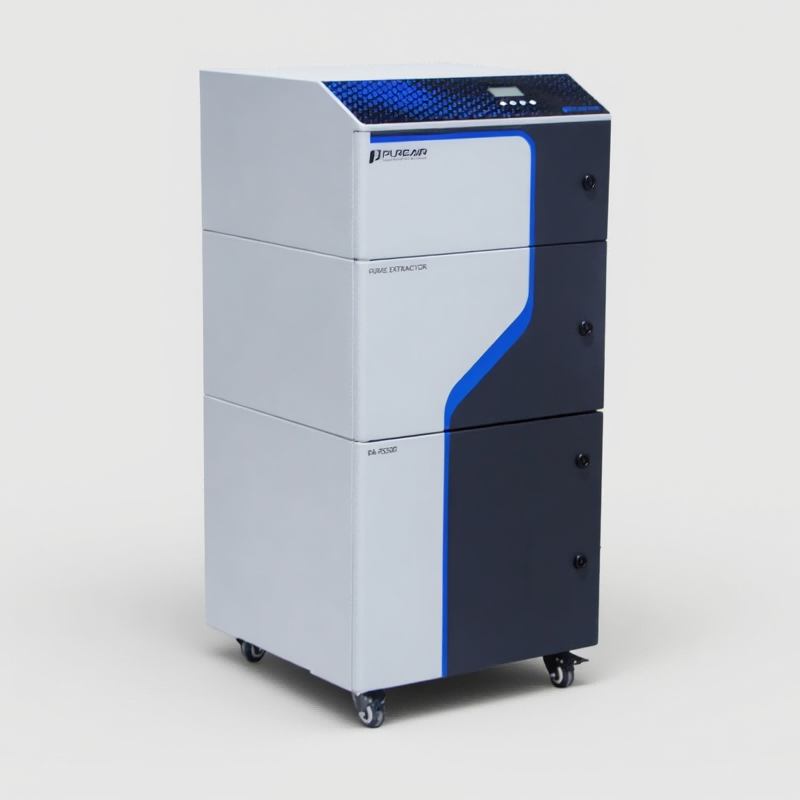
What’s Next?
We’ll see more hybrid systems: smart capture hardware plus analytics that predict filter life, spot leaks, and suggest maintenance windows. That reduces downtime and keeps workers healthier. In short, prioritize systems that treat weld fume extraction as part of production quality, not an accessory.
To choose well, I recommend three clear metrics you can use right away: 1) capture efficiency at source (measure it during typical welds), 2) real-world filter life under your duty cycle, and 3) total cost of ownership including energy and maintenance. Those three tell you more than brand claims. If you want a supplier who understands these details, check out PURE-AIR. I’ve seen their setups perform in tough conditions, and that matters when people’s lungs and production targets are on the line.