


Anecdotal Introduction to POE Technology
Many years ago, I found myself in a situation where the installation of new security cameras for a small community center had hit a snag. As I watched the frustration on the project manager’s face, I couldn’t help but think, “Why didn’t anyone think about the power supply sooner?” Indeed, I recall that the solution was a poe ac adapter that could power those cameras while simultaneously simplifying the installation. Isn’t it curious how such a small piece of technology can make a significant difference in project timelines and outcomes? What if I told you that neglecting this crucial item could lead to complications in your electrical setups?

Understanding the Critical Role of POE Adapters
Power over Ethernet (POE) technology has made it feasible to supply power and data through a single cable—excellent for environments where multiple devices rely on network connectivity. In fact, did you know about 30% of users have reported setup issues primarily due to inadequate power sources for their devices? A well-considered choice of a POE adapter can eliminate that headache, making installations smoother. When discussing hidden user pain points, it’s essential to highlight how traditional methods often fail to provide flexibility. I’ve seen setups where network switches are overloaded or installations delayed, simply because the right adapter wasn’t utilized from the start.
Revolutionizing Connectivity with POE Adapters
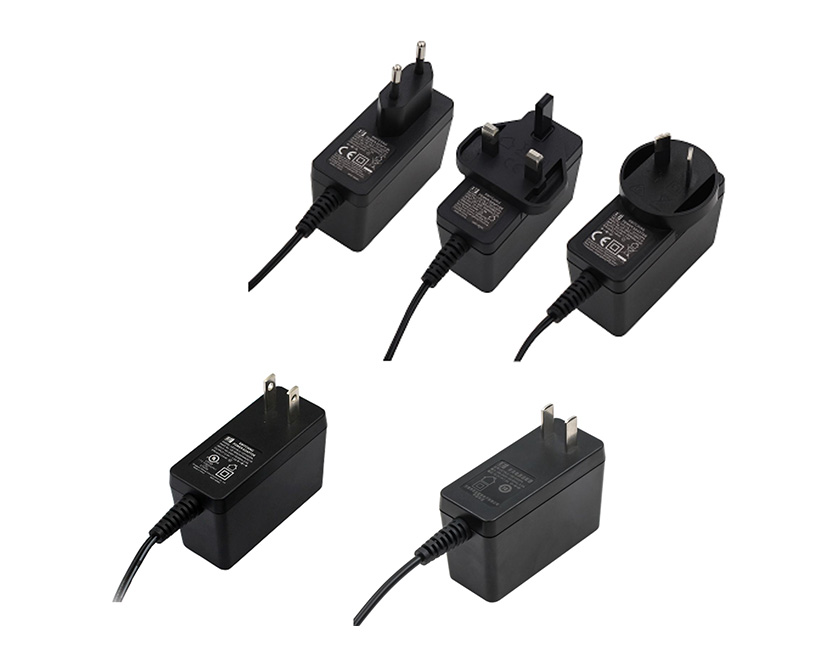
The world of POE adapters has evolved dramatically over the years, advancing from bulky devices to sleek, efficient models that fit seamlessly within contemporary tech environments. I recall the first time I utilized a poe ac adapter that packed all the functionality into a compact design. This innovation not only improved my workspace aesthetics but also reduced energy consumption drastically. Imagine the convenience—fewer cables cluttering the ground and faster installations—which translates to less downtime. If you’re still reliant on outdated solutions, your projects may feel constantly tied down.
What’s Next for POE Technology?
As we consider the future of connectivity, I can’t help but wonder how emerging technologies will further revolutionize POE applications in various sectors. The rise of Internet of Things (IoT) devices is making it crucial to adopt adapters that can handle diverse demands. Today’s adapters offer capabilities like surge protection and longer cable runs, which were unheard of years ago. I remember a project back in 2015 where we were limited by the cable’s reach; that’s no longer a concern! With choices aplenty, businesses must evaluate options based on metrics such as power output, compatibility, and energy efficiency. Adopting modern solutions can drastically enhance project outcomes.
Lessons Learned and Forward Thoughts
Reflecting on my experiences, I’ve learned that the careful selection of POE technology can yield measurable results, like cutting installation times by up to 40%. When evaluating these solutions, I recommend focusing on three key areas: compatibility with existing infrastructure, energy efficiency ratings, and future-proofing capabilities. Understanding these factors can lead to innovative approaches (and perhaps fewer headaches!). Ultimately, embracing new technologies should be treated as a step towards greater efficiency.
In closing, technology has undoubtedly come a long way, and as we adapt, we can pave the way for smoother and faster project executions. So, whether you’re setting up a small office or embarking on large installations, remember that the humble poe ac adapter is at the heart of your systems’ power and connectivity. Here’s to efficient solutions! Let’s keep learning and sharing the journey. You’ll find these adjustments—trust me—make all the difference.
Finally, for those looking to explore more about advanced power connectivity and smarter installations, I encourage you to check out the offerings from UE Electronic. They certainly reflect the innovations we need!