


Introduction
Picture this: a startup loft buzzing, someone drops a prototype on a table, and the whole squad thinks they’ve got the juice—until customers ghost them. I’ve seen that movie a few times. As a red light therapy company, you feel hype, funding, and a crowd that wants healing tech fast. Data shows adoption grows fast—double-digit year-over-year in some niches—but churn and returns still bite (40% unhappy users in some surveys). So how do we go from flashy demos to real stayers in people’s homes and clinics?
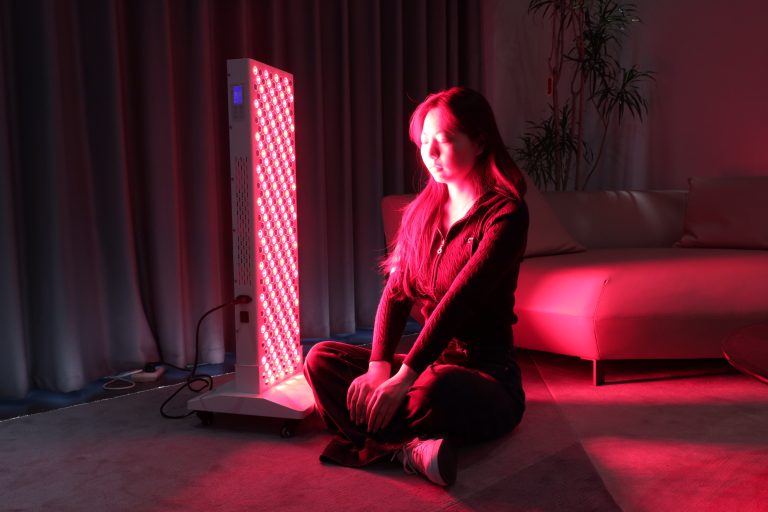
Yo, I’m not just talking shop—this is real talk: what breaks between lab wins and user delight? — let’s peel that back and move on to the messy parts.
Peeling Back the Layer: Why Traditional Fixes Often Fail
When teams chase the best red light therapy beds, they often copy specs instead of solving pain. I’ll say it plainly: product specs aren’t the same as user value. Old fixes focus on higher wattage, denser LED arrays, and shiny control panels. Those look great on paper. But users run into heat, uneven irradiance, and confusing mode settings. Engineers love “more”—more LEDs, more power converters, tighter wavelength calibration—but patients and spa owners want comfort, clear outcomes, and simple setup.
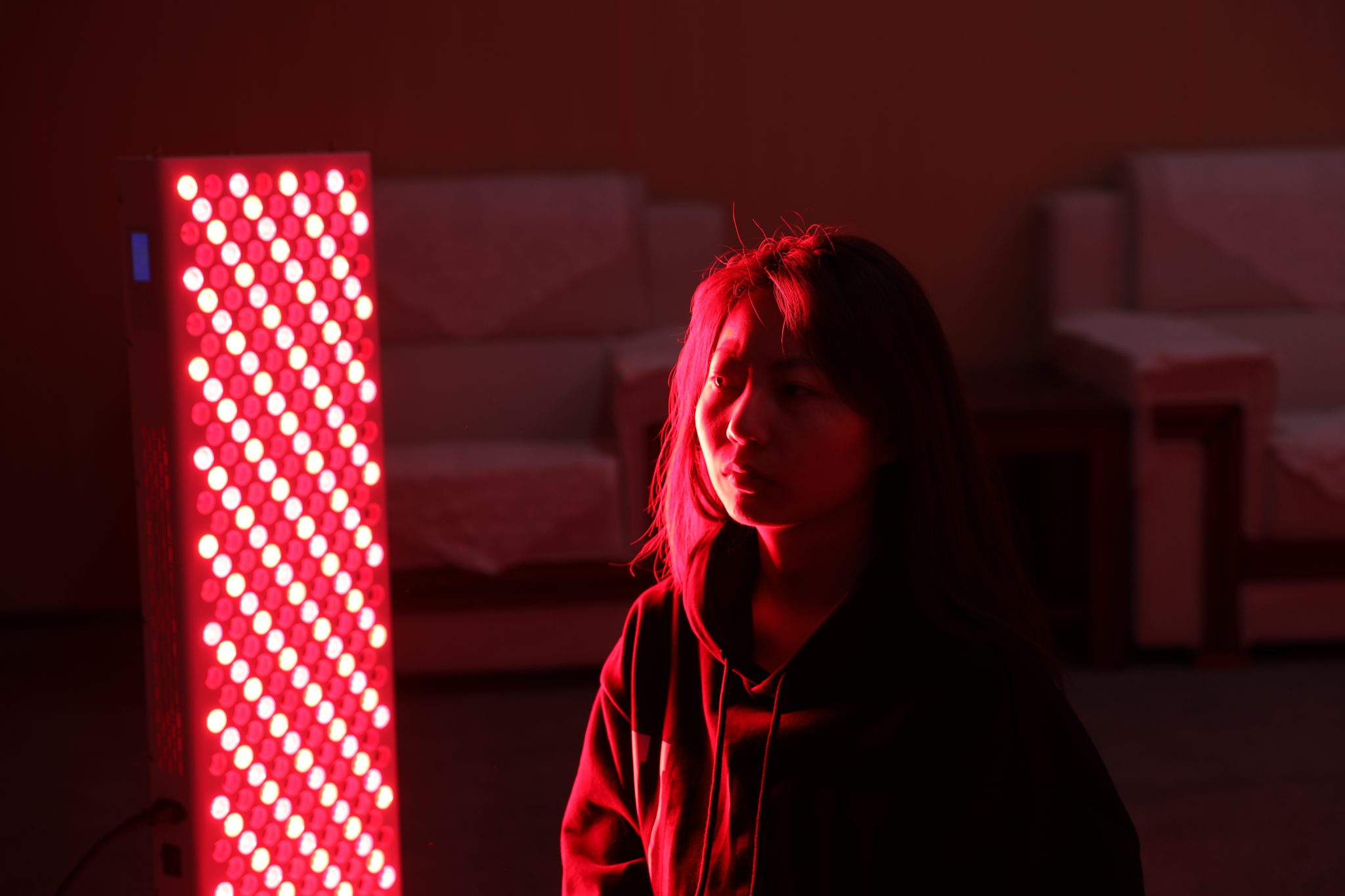
Why do old fixes fail?
Look, it’s simpler than you think: classic solutions ignore real-world constraints. Clinics can’t wire in industrial power converters easily. Home users don’t know irradiance vs. dose. The term photobiomodulation gets tossed around like a badge, yet the actual delivery—how much light hits the skin, for how long—is what matters. I’ve watched teams triple LED counts but skip on cooling and user flow. The result? Units that overheat, drop output, or become a pain to use. We need to think systems: LED drivers, thermal design, and clear dosing guides, not just peak numbers. That shift is technical, yes—but it’s also practical. I feel strongly about this because I’ve repaired units and read the frustrated notes from both buyers and techs. Users don’t care about marketing jargon; they want a session that feels good and helps. Period.
New Principles & Forward Moves: Building Solutions That Last
Now let’s talk next steps. I want to map simple principles that actually change outcomes. First: design for the user’s environment. Clinics and homes differ. Second: measure what matters—real skin irradiance, session time, and consistent wavelength. Third: build for maintenance—modules, swappable LED arrays, clear power specs. When teams adopt these new principles, the product becomes easier to sell, service, and scale.
For teams hunting the best red light therapy beds, that means rethinking component choices. Choose LED drivers that maintain output under heat. Add sensors to monitor irradiance in real time. Use simple UX that shows dose instead of abstract modes. I’m telling you, these moves cut returns and boost referrals. (— funny how that works, right?)
What’s Next?
We should also test in the wild. Run short case pilots with clinics. Track outcomes, not just uptime. Compare units by real metrics: delivered dose, session consistency, and user satisfaction. That gives a clear roadmap for iterative fixes. New tools like low-cost irradiance meters and better thermal materials make upgrades affordable. I want teams to stop guessing and start measuring. That’s where real improvement lives.
Closing: How I’d Evaluate Tomorrow’s Winners
Alright, here are three quick metrics I use when we vet solutions—and you can use them too. One: Delivered Dose Accuracy—does the device hit its promised irradiance at skin level? Two: User Flow Score—how many steps from box to first session? Keep it under three. Three: Serviceability—can a tech swap out LED arrays or replace a power converter without trashing the whole unit? Those metrics are simple, measurable, and they matter to buyers and operators.
I’ve worked on designs that failed these tests. I’ve also helped tweak units that passed and then took off. The trick isn’t rocket science; it’s empathy plus hard measurement. If you want products that stick, focus on the real user, the thermal and power systems, and plain math. In the end, that’s how you move from hype to help. And if you’re looking for companies putting these ideas into practice—check the work at Magique Power.