


Understanding the Landscape
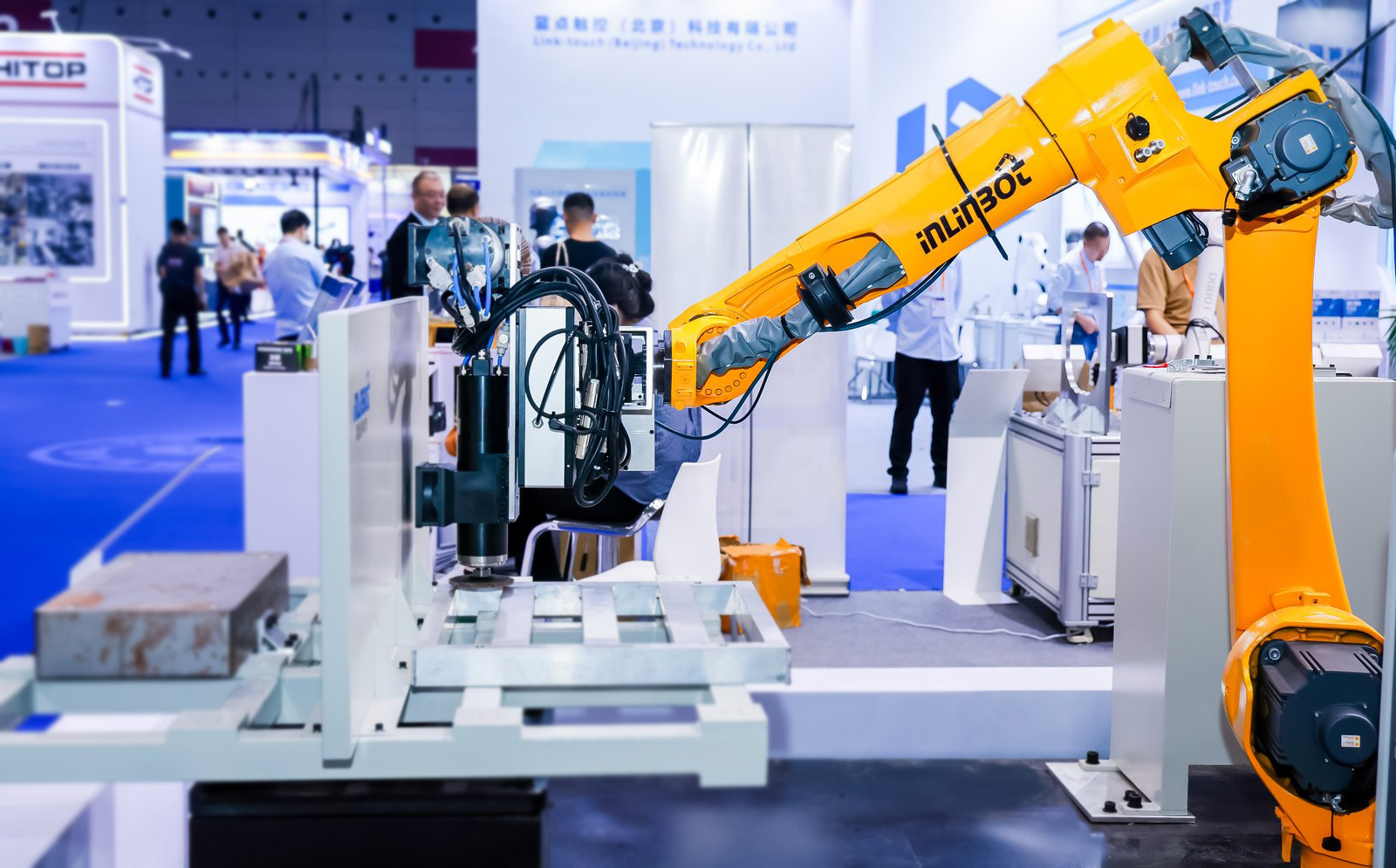
Picture a bustling workshop in Nairobi, where machines are humming and operators are hard at work—yet, inefficiencies linger in every corner. According to recent studies, around 50% of machining operations still rely on outdated practices. How can we enhance productivity and accuracy through machining automation? Precision machining automation is no longer a luxury; it’s a necessity for staying competitive in today’s fast-paced industry. We’ve all felt the pain of costly errors and delays in production, but there are solutions waiting to be uncovered.
Why Traditional Methods Fall Short
In my 15 years of experience, I’ve seen countless businesses struggle with traditional machining methods. Many rely on manual processes that can lead to human errors, inefficient workflows, and unexpected downtime. For instance, I vividly recall a situation where a simple miscalculation delayed a client’s order by weeks—resulting in losses that could have been avoided with automation. Think about it—precision and consistency are key, yet many overlook the potential of integrating modern machining automation solutions. The struggle often lies in the outdated equipment that fails to meet today’s demands, leaving operators frustrated and production halted.
What Are the Hidden Costs?
What most don’t realize is that the costs of outmoded machinery and manual intervention extend beyond mere financial implications; they affect employee morale, customer satisfaction, and, ultimately, market position. The business world is evolving at an unprecedented pace, and remaining static simply isn’t an option. Exploring advanced automation techniques not only addresses operational shortcomings but also enhances competitive edge, paving the way for growth and innovation.
Looking Ahead: What’s Possible with Machining Automation?
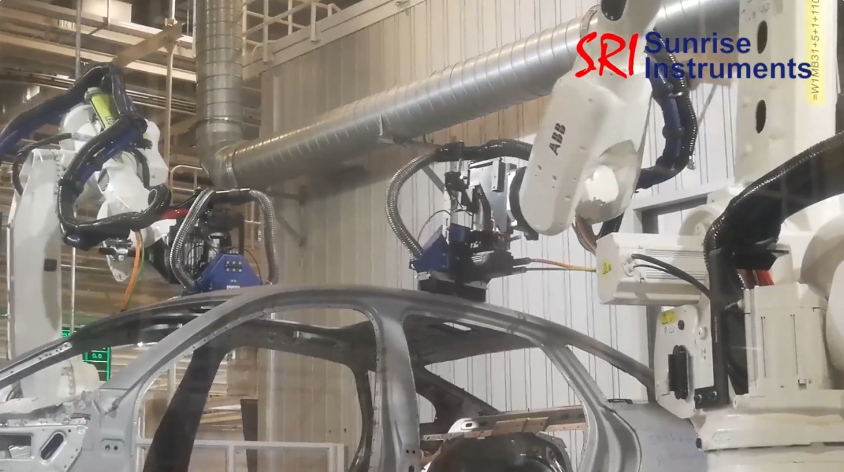
Now, let’s shift gears. The future of precision machining automation promises changes that could redefine the industry. Imagine real-time monitoring systems that alert operators before a malfunction occurs, saving time and resources. Or consider how machine learning could analyze production data to optimize processes continuously. I can’t stress enough how embracing machining automation is the key to connecting past lessons with future opportunities. It’s more than just upgrading machines; it’s a complete transformation that fosters a smart manufacturing environment.
Real-world Impact: Success Stories
Recently, I visited a workshop that implemented automation solutions, and the results were staggering! They increased production efficiency by 30% and reduced waste significantly—all in just six months! Investing in these advancements should not be seen as an expense but as a pivotal opportunity for companies to gain a foothold on the future of manufacturing.
Conclusion: Steps Towards a Smarter Future
Reflecting on my experiences, I firmly believe that addressing the gaps in precision machining through automation is paramount. As we look toward a brighter future, organizations must prioritize evaluating their processes and invest in modern equipment that fosters growth and efficiency. After all, being proactive can save significant costs and build a solid foundation for long-term success. For anyone considering the leap, take the plunge! Take it from me—embracing machining automation opens doors to unprecedented opportunities. If you’re ready to explore these innovations further, I highly recommend visiting ITES Exhibition. You might just discover the solution you’ve been searching for!